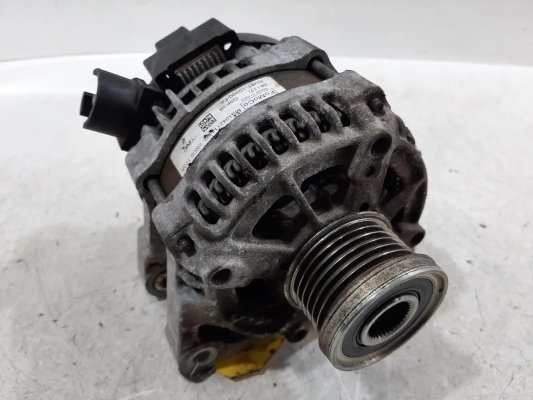
A failing Ford Focus alternator can quickly leave you stranded, especially if your battery stops charging altogether. Common signs include warning lights, dimming electrics, or repeated flat batteries—issues many UK drivers encounter as their vehicle ages.
This guide explains how to diagnose faults, understand Ford Focus alternator problems, and carry out a safe replacement. It also covers typical costs and how to source the correct part without risking compatibility issues.
Key Takeaways
- A faulty Ford Focus alternator often shows through warning lights, dimming lights, or a flat battery.
- Testing voltage (12.4–12.7V off, 13.8–14.5V running) helps confirm if the alternator is failing.
- Ford Focus alternator replacement is manageable for competent DIYers but may require engine support.
- Costs typically range from £20–£120 for parts and £80–£150 labour.
- Always match the correct alternator by engine type, pulley, and connector to avoid repeat faults.
Expert Advice & Common Alternator Issues
Alternator issues are one of the more frequent electrical faults in the Focus. These can develop gradually or fail suddenly, depending on wear and usage.
Typical Ford Focus alternator problems include:
- Battery warning light staying on
- Ford Focus alternator not charging the battery
- Dimming or flickering lights
- Electrical accessories cutting out
- Whining or grinding noises (often linked to the Ford Focus alternator pulley).
In many cases, faults are caused by worn bearings, internal regulator failure, or issues with the Ford Focus alternator belt rather than the unit itself.
Engine Types, Fitment & Accessibility
The Ford Focus alternator location varies depending on engine type and model year. Always cross-reference your engine code, alternator part number, and connector type. We can help you match the right unit for your Focus.
- Zetec (pre-2005): Typically mounted higher, often accessible from above.
- Duratec (2005 onwards): Lower positioning, usually requiring access from underneath.
- PZEV (Partial Zero Emissions Vehicle) variants, though rare in the UK, use unique emissions equipment and alternators with extra wiring or sensors.
- EcoBoost models: Tighter engine bays, making removal more complex.
Correct fit matters. Using the wrong alternator (wrong amperage, pulley type, or connector) can cause persistent charging faults or electrical damage. Always verify compatibility before purchase or installation.
Before attempting to replace a Ford Focus alternator, check access points and whether engine mounts will need to be removed. If you're unsure which unit fits your vehicle, you can browse Trents’ compatible options, or view alternators specifically.
Diagnosing, Testing & Symptoms of Failure
Alternator faults can mimic battery or wiring issues, so testing is essential before replacing parts. Here’s how to spot a failing alternator and test it at home:
Common Signs Your Alternator Is Failing
- Battery warning light on the dashboard
- Dimming headlights or flickering interior lights
- Electrical accessories (radio, windows) malfunctioning
- Battery repeatedly flat despite recent replacement
- Noises (whining or grinding) from the alternator area.
How to Test Before Replacement
- Check battery voltage with the engine off (should be 12.4–12.7V).
- Start the engine and recheck voltage at the battery terminals:
- Healthy alternator: 13.8–14.5V (smart-charging systems may vary; check your manual).
- Below 13V: Alternator likely faulty.
- Load test: Switch on headlights and heater. Voltage should remain above 13V.
- Listen for noise: Unusual sounds can indicate bearing failure.
If voltage remains low, the alternator Ford Focus system is likely at fault.
Summary of common faults:
| Symptom | Possible Cause | At-Home Test | Likely Faulty Component |
|---|---|---|---|
| Warning light on | Charging fault | Multimeter voltage check | Alternator, wiring |
| Dimming lights | Low output | Voltage under load | Alternator |
| Flat battery | No charging | Battery voltage drop | Alternator, battery |
| Whining noise | Bearing failure | Audible with engine running | Alternator bearings |
Step-by-Step Replacement: Safety & Installation
A Ford Focus alternator replacement is manageable for a competent DIYer with the right tools and information. Always prioritise safety and correct-fit procedures.
Tools You’ll Need
- Socket set and spanners
- Multimeter
- Screwdrivers
- Jack and axle stands
- Belt tensioner tool (for some models).
Step 1: Prepare Safely
- Disconnect the battery (negative terminal first) to prevent shorts.
- Allow the engine to cool fully.
- Raise the vehicle securely if needed.
Step 2: Access the Alternator
- Remove engine covers if required
- Decide top or bottom access: Zetec engines often allow top removal; Duratec and diesels may require access from underneath, sometimes with engine support
- Release the Ford Focus alternator belt using the tensioner.
Step 3: Remove the Old Unit
- Disconnect electrical connectors
- Remove mounting bolts
- Carefully extract the alternator
- If the alternator is blocked by the engine mount (common on Duratec), support the engine with a jack and wood block under the sump
- Never let the engine hang unsupported
- Keep track of all bolts and spacers for reinstallation.
Step 4: Install the Replacement
- Compare the new unit (check connectors and Ford Focus alternator pulley)
- Bolt into position and torque correctly (varies by engine; refer to workshop manual)
- Reconnect wiring securely
- Fit the serpentine belt, ensuring correct routing and proper tension. Use a belt tensioner tool if required.
- Double-check all fixings before reconnecting the battery.
Step 5: Test the System
- Reconnect the battery
- Start the engine and check voltage output
- Confirm no warning lights remain.
Ford Focus Alternator Cost
The Ford Focus alternator cost can vary depending on whether you choose new, aftermarket, or recycled parts.
Typical UK pricing:
- Recycled/Green Parts: £20–£120
- Labour: £80–£150
- New/OEM units: £380–£560.
This means a total Ford Focus alternator replacement cost can range from around £100 to £700, depending on your approach. Recycled alternators are often a cost-effective option when sourced from a reputable supplier, offering tested performance at a lower price point. Prices may vary depending on model, engine type, and supplier.
Benefits of Recycled or Green Parts
Trents offers Green Parts—quality-checked, recycled alternators designed to provide a reliable, cost-effective, and environmentally responsible option.
- Lower environmental impact: Reusing quality-checked alternators reduces waste.
- Cost savings: Green Parts are typically 30–50% cheaper than new.
- Reliability: All recycled units are tested, and many come with a warranty for added peace of mind.
Choosing the Right Replacement Alternator
Getting the correct alternator is critical to avoid repeat failures or electrical issues. Use your VIN or registration to match the correct alternator. Cross-check part numbers stamped on the old unit.
Check the following before buying:
- Engine code and model year
- Output rating (amperage)
- Connector type
- Pulley design.
Common Mistakes & How to Avoid Them
DIY alternator swaps often go wrong due to skipped steps or incorrect fitment. When attempting to replace a Ford Focus alternator, these are the most common errors:
- Not disconnecting the battery: Risks electrical shorts and ECU damage.
- Incorrect belt routing or tension: Leads to noisy operation or rapid belt wear.
- Forgetting to support the engine when removing mounts: Can cause major engine or chassis damage.
- Using the wrong alternator: Mismatched connectors or amperage cause persistent faults.
- Neglecting to clean electrical connectors: Poor charging or intermittent faults.
Taking time to double-check fitment can prevent costly repeat work.
Safety, Tools & Electrical Connections
- Always use insulated tools around the battery and alternator.
- Confirm you have the right socket sizes and a belt tensioner tool if needed.
- Ensure all electrical connections are clean and tight—loose terminals can cause charging issues or electrical fires.
Related Ford Focus Repair Guides
If you're working on your vehicle, you may also find these guides useful:
FAQs
How do I know if my Ford Focus alternator is failing?
Common signs include a battery warning light, dimming lights, and a flat battery. Testing voltage is the most reliable way to confirm a fault.
Can I replace a Ford Focus alternator myself?
Yes, a competent DIYer can carry out a Ford Focus alternator replacement, though some models require engine support and access from underneath. If you’re unsure about engine support or electrical work, it’s wise to seek professional help.
What is the average Ford Focus alternator replacement cost?
The total Ford Focus alternator replacement cost typically ranges from £100 to £700, depending on parts and labour.
Can a bad alternator damage the battery?
Yes. A faulty alternator can undercharge or overcharge the battery, shortening its lifespan and causing repeated failures.
How Do I Reset the Alternator?
Most Ford Focus models do not require an alternator reset. The ECU will automatically adjust charging rates. If warning lights persist after replacement, it’s advisable to check stored fault codes, which may indicate other underlying issues.
Ready to Replace Your Ford Focus Alternator?
If your vehicle is showing signs of charging issues, replacing the alternator promptly can prevent further electrical problems. Prioritise correct-fit, quality-checked Green Parts for your Ford Focus. We offer expert support, verified fitment, and sustainable value—browse Ford Focus alternators or contact our team for advice. Always check compatibility and trust in reliable Green Parts to keep your Focus running strong.