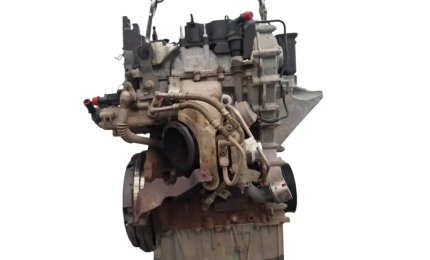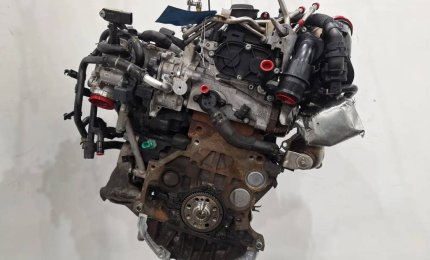
Removing and installing a Ford KA engine is a job that looks simple on paper but can quickly become frustrating if you underestimate the tight engine bay and limited access. The good news is that with the right preparation, a methodical approach, and a few practical habits, it is well within reach for a capable DIYer.
This guide walks through the key stages of removal and installation, explains the two main removal methods, and highlights the common mistakes that cause delays. Whether you’re replacing a failed engine or fitting a quality used unit from Trents, the aim is the same: avoid repeat labour and get the KA running reliably again.
Key Takeaways
- Space and access matter more than engine weight on a Ford KA.
- Like-for-like engines keep wiring and fitting problems to a minimum.
- Short test runs and rechecks prevent repeat strip-downs.
- Trents makes it easier with quality used Ford KA engines, backed by a free warranty and up to 90% savings over new.
What Makes the Ford KA Engine Swap Different
Working on a Ford KA engine is very different from tackling a larger Ford model. The car and engine bay are both small, making access the main challenge rather than the weight of the engine itself. That does not make the job impossible, but it does mean planning, preparation, and methodical working matter far more than brute force.
Don’t mistake a lighter drivetrain for an easier job—it often requires even more attention to detail. And because access is tight, small mistakes can snowball. A missed bracket, a poorly routed cable, or a forgotten hose can stop progress completely once the engine is on the crane.
Engine Removal Methods: Top vs Bottom
There are two main ways to remove a Ford KA engine: lifting it out from the top with a crane or hoist, or dropping it out from underneath the car. Both methods work, but the space available, the equipment you have, and where you are working will usually make one option far more practical than the other.
This quick comparison helps you choose an approach that matches your setup and experience.
|
Removal method |
Equipment required |
Time & difficulty |
When it makes sense |
|
Top removal |
Engine crane (hoist), basic axle stands, hand tools |
Moderate time. Technically simpler for DIY. Main challenge is tight space and careful positioning. |
Best for driveway or home garage work without a vehicle lift. Ideal when you want the most control over angle and clearance in the tight KA engine bay. |
|
Bottom removal |
Vehicle lift or high, stable stands, transmission jack, more workshop space |
Often quicker in a workshop. More complex setup and more dismantling underneath. |
Makes sense in a workshop with a proper lift and space to lower the subframe and drivetrain as a unit. Less practical for most home setups. |
For most DIYers working at home, top removal is usually the safer and more realistic option on a Ford KA, simply because it needs less specialist equipment and gives better control in a very tight engine bay.
Deciding on Ford KA Engine Removal vs Full Engine Replacement
Not every Ford KA engine problem means the engine has to come out. Some faults can be handled in place, such as those that appear when you check the engine on your Ford KA. Other faults may point to deeper internal issues where removal is the sensible route.
A full Ford KA engine swap is often the better option when:
- There is serious internal wear or damage.
- Overheating has caused ongoing reliability issues.
- Repair costs are close to or higher than the price of a replacement engine.
- Saving time matters more than rebuilding every component.
A Ford KA engine replacement using a used engine is usually cheaper, but can be less predictable, especially if you don’t use a trusted supplier such as Trents, where we supply quality, low-cost used original Ford KA engines. Our engines are backed by a free warranty, and you can save up to 90% compared to buying new.
Remember that one of the biggest hidden costs in engine work is repeat labour. Pulling an engine twice because a replacement turns out to be faulty quickly wipes out any savings.
Before committing either way, it helps to weigh up:
- The total time involved.
- The risk of unknown faults in a used unit.
- The cost of doing the same job again if something fails.
Choosing a Suitable Replacement Engine
For most DIYers, a like-for-like Ford KA engine is the most practical choice. Matching the original engine type keeps the job focused and avoids unnecessary complications, such as:
- Wiring changes that are difficult to trace once the engine is installed.
- ECU compatibility problems that trigger Ford KA engine warning lights or poor running.
- Mounting differences that turn a simple swap into a fabrication job.
In practice, mechanical fit is rarely the main cause of problems. Issues are far more likely to come from:
- Sensors that do not match the original system.
- Different wiring looms that look similar but behave differently.
- Small changes in engine management that lead to fault codes and driveability issues.
Our ultimate recommendation is to stick to the correct Ford KA engine specs for your model year. This not only makes sourcing Ford KA spare parts simpler and cheaper but keeps the swap focused on mechanical work rather than electrical diagnosis. You’re also less likely to end up with a car that runs poorly or shows persistent warning lights.
Setting Up the Vehicle for Engine Removal
On a Ford KA, stripping the front end and clearing the engine bay is not overkill, even if it feels that way at first. The more space you create, the easier every later step becomes.
It is usually worth removing:
- The battery and battery tray.
- Surrounding brackets and supports.
- Intake components and anything that restricts access.
- Parts that limit how far the engine can tilt during lifting.
Some components, like the battery tray and its brackets, are common obstructions. Leaving them in place often saves a little time at the start but costs far more later when the engine refuses to come out cleanly.
Disconnecting Systems Methodically
Taking a methodical approach here reduces the risk of damaging parts and makes the installation stage far easier, since every hose, wire, and pipe will already have a clear place to go back to.
Electrical Connectors and Sensors
The Ford KA uses a compact wiring layout, and many connectors look very similar once they are unplugged. Good habits include:
- Photographing connectors before unplugging them.
- Labelling plugs and sensors as you go.
- Grouping related connectors together.
- Keeping the loom routed close to its original path.
It’s important to remember that incorrect reconnection won’t always stop the engine from starting. Instead, it can lead to warning lights that are difficult to trace, rough running or poor idle, or intermittent faults that appear after the car is back on the road.
Fuel, Cooling, and Intake Lines
Draining and disconnecting these systems early reduces mess and prevents accidental damage during lifting. This stage helps avoid spilled coolant or fuel when the engine starts to move, hoses being stretched or torn, or the engine refusing to lift because a line was missed.
After refitting, pay attention to coolant bleeding. Air locks are a common cause of overheating complaints, even when everything else has been fitted correctly.
Supporting the Gearbox and Engine Separately
Even on a small car like the KA, the gearbox has enough weight to cause problems if it is not supported properly before separation. Letting it hang on mounts or shafts can lead to alignment issues during refit and can also stress components that were not designed to take that load.
Proper support, meaning the gearbox is held up by a jack, stand, or support bar so its weight is not hanging on the mounts or driveshafts once the engine is separated, keeps the gearbox in the right position relative to the engine.
This makes the later mating of engine and gearbox far easier and reduces the risk of fighting with misaligned mountings or input shafts.
Removing the Engine from the Top
For most driveway DIYers without access to a lift, removing the Ford KA engine from the top using a portable hoist or crane is the most practical approach. The small engine bay makes bottom removal awkward without proper workshop equipment. You can also control the angle of the lift more easily, and you’ll find that there’s less need to dismantle the subframe or suspension.
A few practical tips help here:
- Roll the engine crane up to the front of the car, and hook it to the engine.
- Lift the engine at a slight angle so the gearbox side clears last.
- Watch carefully for any hoses, cables, or brackets still attached.
- If you need a better angle or clearance, it’s easier to roll the car back slightly than to reposition the engine crane.
Handling Common Obstructions During Removal
In many cases, the engine itself is not the real problem. Fixed brackets, battery tray supports, and awkward mounting points usually cause more trouble.
Common issues include:
- One forgotten bracket stopping the lift completely.
- A hidden support fouling the engine as it rises.
- Limited clearance forcing you to rethink the removal angle.
Sometimes small, temporary changes are needed to create space. This is usually better than trying to force the engine past something that is clearly in the way.
Preparing the Replacement Engine Before Installation
This is the best time to deal with small problems, because access is far better with the engine out of the car.
Before installation, it is worth:
- Inspecting seals and gaskets.
- Checking sensors and connectors.
- Replacing service items like belts and filters.
- Swapping over known good components where appropriate.
A short inspection here often prevents an immediate strip-down later to fix a leak or a faulty sensor.
Installing the Engine Without Forcing Alignment
The engine and gearbox should come together smoothly if they are lined up correctly. Importantly, bolts should never be used to pull them into place. If you force alignment, you risk damaged threads and stressed or torn mounts—problems usually only show up once the car is back on the road.
Reconnecting Systems and Final Assembly
A logical order helps prevent missed steps. Working from the hardest-to-reach components outward usually makes the most sense, since access only gets worse as more parts are put back on.
A simple approach is to:
- Refit components in the reverse order of removal.
- Start with items that will be blocked later.
- Double-check brackets that share bellhousing or mount bolts.
- Check loom routing and hose clearance as you go.
Refilling Fluids and Bleeding the Cooling System
Proper coolant bleeding matters after a Ford KA engine installation. Trapped air does not usually cause instant failure, but it does lead to overheating and unstable temperature readings.
Good practice includes:
- Following the correct bleeding procedure.
- Letting the engine warm up with the coolant cap off.
- Watching for bubbles and topping up as needed.
- Rechecking the level after the first heat cycle.
Note: Leaving the coolant cap off during warm-up and following the correct bleeding procedure helps purge air from the system. Take your time here. Many post-swap overheating issues come down to poor bleeding rather than a real mechanical problem.
First Start, Heat Cycles, and Initial Checks
The first start should be treated as a controlled test, not the end of the job. Watch the engine closely for oil, fuel, or coolant leaks, warning lights, temperature, and unusual noises. Just because no warning light appears does not mean everything is perfect.
A heat cycle (one full warm-up and cool-down of the engine) often reveals small issues such as weeping hoses or fittings that were not fully tightened. It is far better to find these while the car is stationary than on the road.
Post-Installation Checks and Short Test Drive
Short, low-load test drives followed by rechecks are far more useful than jumping straight into longer journeys.
A sensible approach is to:
- Take a brief drive at low speed and low load.
- Recheck fluid levels and fasteners afterwards.
- Look for any new leaks or smells.
- Repeat the check after the next heat cycle.
The first run is when everything starts to “bed in”. Some fasteners can relax slightly during the first heat cycle, but small amounts of settling or loosening often only become noticeable after the first drive, because driving adds vibration and load that a stationary warm-up does not.
That is why it is good practice to check fasteners after the first heat cycle, and then check them again after a short, gentle drive.
Common DIY Mistakes to Avoid on a Ford KA Engine Swap
Most setbacks come from a few repeated errors:
- Rushing alignment between engine and gearbox.
- Skipping checks while the engine is out.
- Forcing parts that do not want to fit.
- Assuming a used engine is fine without inspection.
When to Pause, Reassess, or Ask for Help
Knowing when to stop is a skill in itself. If something does not line up, will not move, or keeps causing uncertainty, stepping back often saves time overall.
Pushing on through resistance or doubt is how threads get stripped, mounts get bent, and simple jobs turn into expensive ones. A pause to reassess, measure, or get a second opinion can prevent damage and keep the project on track.
FAQs
Is it easier to remove a Ford KA engine from the top or bottom?
For most DIYers, removing the Ford KA engine from the top is easier because it needs less specialist equipment and gives better control in a tight engine bay. Bottom removal usually makes more sense in a workshop with a proper vehicle lift.
Do I need to match the exact engine code in a Ford KA engine swap?
Yes, a like-for-like match keeps wiring, sensors, and the ECU compatible. Swapping outside the original specification often creates electrical and driveability problems.
Why won’t my KA start after an engine swap?
The most common causes are missed connectors, sensor mismatches, or wiring routed incorrectly. Even small connection errors can trigger immobiliser issues, fault codes, or poor starting