If your Audi A3 is starting to show charging issues, strange noises, or warning lights, the alternator is often near the top of the suspect list. Getting the diagnosis right and matching the correct specification matters just as much as the fitting itself, because modern A3s use tightly controlled charging systems and incorrect parts can create repeat faults.
At Trents, years of hands-on experience with Audi charging systems means these common issues and their causes are well understood, not just the parts that fix them.
This guide explains how the Audi A3 charging system works, how to spot genuine faults, what to check before buying parts, and how Audi A3 alternator replacement is usually carried out.
Key Takeaways:
- Not every flat battery is the battery. Many Audi A3 charging faults start at the alternator.
- Spec matters on modern A3s. The right alternator is as important as the fitting.
- Warnings and noises are early clues. Catch alternator issues before they get expensive.
- Preparation saves money. The right checks and tools prevent repeat labour.
- Trents makes replacement simpler. Find the right Audi A3 alternator, matched and ready to fit.
Alternator function and replacement basics
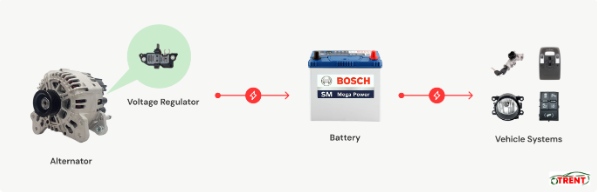
The charging system in the Audi A3 is simple in concept but precise in execution. The alternator in Audi A3 models converts mechanical energy from the engine into electrical power, keeps the battery charged, and supplies stable voltage to the car’s electronics. When the alternator starts to fail, the battery takes the strain until it cannot keep up, which is why many charging faults look like battery issues at first.
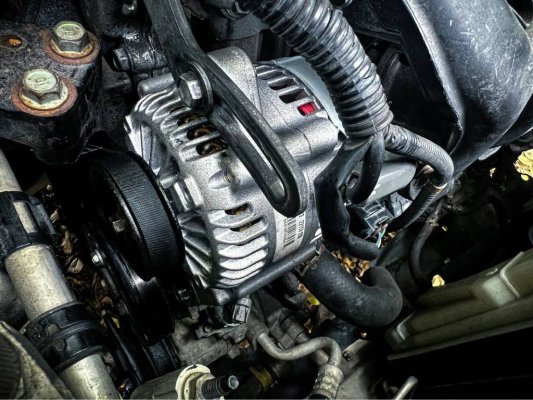
Audi A3 alternator replacement typically involves gaining access to the front of the engine, releasing the belt tension, disconnecting the wiring, and swapping the unit. The details vary by engine and generation, but the preparation and checks are broadly the same.
When replacement becomes necessary
Common failure modes include:
- Worn bearings that lead to noise and drag
- Regulator faults cause over- or under-charging
- Failed diodes show up as poor output or battery drain
- Pulley issues can cause rattles or belt issues
In some cases, a specialist can rebuild an alternator, but for many owners, Audi A3 alternator replacement is the most time-effective and reliable route, especially when labour to remove and refit is already required.
Symptoms of a failing alternator
Electrical glitches in your Audi A3 don’t always mean the battery is at fault. Often, a failing alternator is the real culprit, even though the symptoms can look very similar. Knowing the signs of alternator problems and signs of battery problems can help you identify which component is most likely causing your car’s issues.
Use the table below to quickly pinpoint the exact source so you know where to focus your next move:
|
Symptom |
Alternator Issue? |
Battery Issue? |
|---|---|---|
|
Dim or flickering headlights, especially at higher RPMs |
✅ Alternator struggling to maintain voltage |
⚠ Usually not the primary cause; battery may just be weak |
|
Dashboard warning lights (battery/charging icon) |
✅ Alternator failing to charge |
⚠ Can light up if battery voltage is low, but often steady with car off |
|
Car stalls or struggles to start after running |
✅ Alternator not supplying sufficient power |
⚠ Battery alone may prevent starting, but won’t cause stalling while driving |
|
Clicking or slow engine crank on startup |
⚠ Alternator usually not the first suspect |
✅ Weak or dead battery |
|
Electrical accessories behaving erratically (radio, wipers) |
✅ Voltage fluctuations from alternator |
⚠ Can happen with very low battery, but usually more consistent |
|
Strange burning smell or unusual noises from engine bay |
✅ Alternator overheating or bearing failure |
⚠ Rarely battery-related, unless leaking acid |
✅ - more likely
⚠ - less likely
Dashboard warnings and electrical issues
The most obvious sign is the battery warning light staying on or flickering while driving. Some A3s also log faults that trigger EPC-style warnings or messages about electrical systems. You might notice dimming headlights, flickering displays, or infotainment resets. These happen because low voltage confuses control modules that expect a steady supply from the Audi’s alternator system.
Starting problems and flat battery
A weak charging system often shows up as slow cranking, repeated flat batteries, or stalling after short trips. This is where many drivers replace the battery first, only to see the problem return. A tired alternator can mimic battery failure because the battery never gets fully charged.
Alternator fault: battery not charging on Audi A3
This fault occurs when the alternator is unable to generate or regulate enough power to recharge the battery, causing repeated flat batteries despite the battery itself being in good condition. The charging system is the root cause.
Unusual noises and burning smells
Listen for bearing whine, belt squeal, or a rattling sound from the front of the engine. Some drivers describe this as Audi A3 alternator pulley noise, especially on engines with a decoupler pulley.
A hot electrical smell or visible heat damage near the alternator also points to internal faults. Early inspection reduces the risk of belt failure or wiring damage.
Tools, parts, and key checks
Good preparation is a form of cost control. The right tools speed up Audi A3 alternator removal, and the right checks prevent buying the wrong unit and paying for the job twice.
Essential tools and equipment
Most jobs need a basic socket set, plus Torx or triple-square bits, depending on the engine. A belt tensioner tool or long breaker bar helps with the Audi A3 belt tensioner.
A torque wrench is important for refitting, and a multimeter lets you check charging voltage before and after. If access is from underneath, use jack stands and wheel chocks for safe support.
Correct alternator specification checks
Before ordering, match the amperage rating, connector type, pulley type, and mounting points. Some A3s use LIN-controlled alternators that communicate with the engine management system, so the control plug must match.
Use the VIN and existing part numbers where possible. Quality listings should clearly state amperage rating, control type, and engine compatibility to prevent mismatches. Getting these details right avoids compatibility issues that can trigger warning lights or poor charging after the Audi A3 alternator replacement.
Consider Trents alternator replacement options
If testing confirms the alternator is at fault, choosing the correct replacement is essential for long-term reliability. Trents offers a wide range of alternator options for the Audi A3, including high-quality aftermarket and OEM-equivalent units, matched to your engine variant and electrical load requirements.
Each option is designed to meet original performance standards, helping ensure consistent charging, stable voltage, and dependable day-to-day driving.
Safety and preparation steps
Charging system work sits close to fuel lines, cooling components, and sensitive wiring. A calm, methodical setup reduces risk and avoids broken clips or short circuits.
Battery isolation and safe working
Disconnect the negative terminal first and keep it insulated. The main B plus cable at the alternator carries full battery voltage, so treat it with care and keep tools away from earth points. Let the engine cool before starting work, and keep loose clothing clear of belts and fans.
Vehicle access and component clearance
Some A3 engines allow top access after removing covers, intake ducting, or the airbox. Others need underside access with the undertray removed, or wheel-arch access. On tighter bays, front-end service position procedures apply. Take photos of the area before you start, so reassembly is straightforward.
AUDI A3 alternator replacement steps
The outline below stays general across generations. Always follow model-specific manuals for torque figures and exact sequences, because Audi A3 alternator removal details vary by engine.
Accessing the alternator area
Remove any ducts, covers, or the airbox that block access. Locate the belt route and identify the alternator connectors before you touch anything. A quick sketch or photo of the belt path saves time later, especially on engines with complex routing around the Audi A3 alternator belt and tensioner.
Removing belt and electrical connections
- Use the correct tool to relieve the Audi A3 belt tensioner and slip the belt off the alternator pulley. Keep fingers clear as the tensioner moves back.
- With the belt free, disconnect the control plug and then the main B plus lead.
- Protect the cables so they cannot touch metal parts.
Removing and fitting the alternator
- Unbolt the alternator from its mounts. Some units sit in sleeves that corrode and grip the casing, so gentle persuasion is better than prying against alloy brackets.
- Once free, compare the old and new units for mounting points, connectors, and pulley type.
- Position the replacement, start all bolts by hand, then torque them to specification. This is the core of Audi A3 alternator replacement, and taking a few extra minutes here prevents alignment issues later.
Refitting belt and reassembling
- Route the serpentine belt exactly as per your diagram.
- Check that the ribs sit squarely in each pulley groove and that the belt runs true.
- Refit shields, ducting, and any removed components.
NOTE: A misrouted Audi A3 alternator belt can cause noise, heat, and poor charging.
Testing output and final checks
Reconnect the battery and start the engine. The battery light should go out, and there should be no warning messages. Listen for belt noise or rattles that could indicate alignment or tension issues.
Use a multimeter at the battery terminals to check charging voltage at idle and with electrical loads switched on. Stable readings in the normal range confirm that the alternator is doing its job.
Avoiding mistakes and extra costs
Most repeat jobs come from small oversights rather than major errors. A few simple checks protect your time and your budget.
Belt tension and routing checks
Incorrect routing is a common cause of noise and overheating. Confirm the belt path, watch the Audi A3 belt tensioner move through its range, and look for smooth tracking on all pulleys. If the belt shows cracks or glazing, or if idler pulleys feel rough, replacing them at the same time avoids future strip-down work. This also helps prevent complaints of Audi A3 alternator pulley noise after the job.
Preventing wiring and bolt damage
Protect connectors from dirt, avoid cross-threading by starting bolts by hand, and use the correct bit types to prevent rounding fasteners. Support heavy components so there is no strain on A C lines, radiator hoses, or wiring looms while you work.
When Professional Help Is Sensible
Some engines have very tight bays, require service position, or show persistent charging faults even after parts replacement. In these cases, specialist tools and diagnostic experience save time and prevent guesswork. If fault codes or symptoms of Audi A3 alternator problems persist, a full charging system test is the sensible next step.
Ready for an AUDI A3 alternator?
By now you should have a clear view of how to diagnose alternator faults, check fitment, and carry out an Audi A3 alternator replacement properly. Getting the fault right first time, choosing the correct unit, and fitting it carefully is what keeps costs under control and helps avoid repeat labour.
Trents supports better outcomes by offering clearly specified, compatibility-checked alternators, so you spend less time second-guessing parts choices and more time fixing the problem properly, whether you are comparing options or planning your Audi A3 alternator replacement cost before booking the work.
Find the right alternator for you
When you contact a supplier, have your VIN, engine code, and alternator rating to hand. These details confirm compatibility and help you select the correct unit with confidence.
Browse Audi A3 spare parts and the range of Audi A3 replacement alternators to match your car properly and get back to reliable charging without surprises.
FAQs:
How much does it cost to replace an alternator on an Audi A3?
Audi A3 alternator replacement cost varies by engine, alternator type, and labour time, but it is usually a mix of parts and a few hours of fitting.
What are signs of a dying alternator?
Common signs include a battery warning light, dim or flickering lights, electrical glitches, slow starting, or unusual noises from the belt area. Repeated flat batteries or charging warnings often point to alternator problems rather than the battery itself.
When replacing the alternator in my Audi A3, what else needs to be replaced?
The drive belt, belt tensioner, or idler pulleys may also need attention if they show wear or noise. Replacing worn belt components at the same time can prevent future breakdowns and repeat labour.
Can you fix a bad alternator without replacing it?
In some cases, specialists can repair components like bearings or regulators, but this depends on the type of fault and the alternator design. For many owners, full alternator replacement is more reliable and time-effective.